

What Actually Held Up This Year
The Ideas That Shaped My Thinking on Alignment and What Comes Next for 963

A Year of Alignment
This year wasn’t short on advice, urgency, or opinion.
What it lacked was integration - the ability to hold it all and make sense of it.
I didn’t set out to write a “year of alignment,” but looking back, that’s exactly what emerged. Not as an aspiration, but as a pressure test. Across seasons of uncertainty, identity shifts, ambition, motherhood, and systemic constraint, the same question kept resurfacing:
What does it actually take to stay connected to yourself when life doesn’t slow down to accommodate you?
What follows isn’t a recap of everything I wrote. Instead, it’s a distillation of what held up, ranked by what resonated most with you and continued to hold as the year unfolded.
The Ideas That Earned Their Keep
1. Alignment Doesn’t Require the Right Moment. It Requires a Deliberate One.
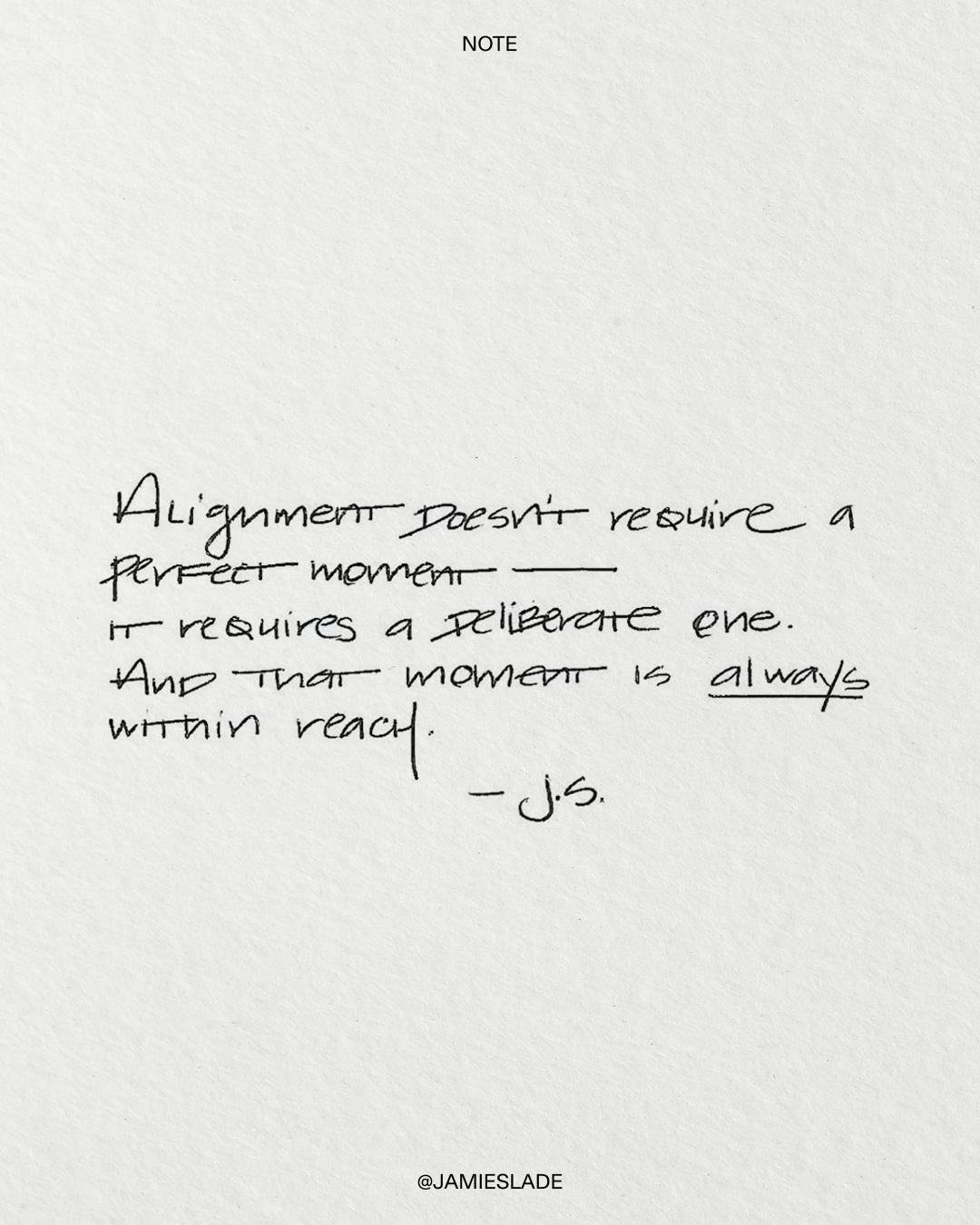
This became the foundation of the year, whether I intended it or not. And wow, the response made that clear almost immediately.
It surfaced first in the most unplanned way, amid uncertainty, disruption, and circumstances that made waiting for “ideal conditions” impossible.
The insight was simple, but structural:
Alignment isn’t something you arrive at once life calms down.
It’s a choice you make inside constraint.
That idea reappeared everywhere: Q4 urgency, motherhood, identity shifts, overstimulation. Different contexts but the same truth - clarity isn’t granted by timing, it’s claimed through intention.
2. You Can’t Build What’s Aligned Until You Deprogram What Isn’t.
The Quiet Mind Fck of Building in Alignment*
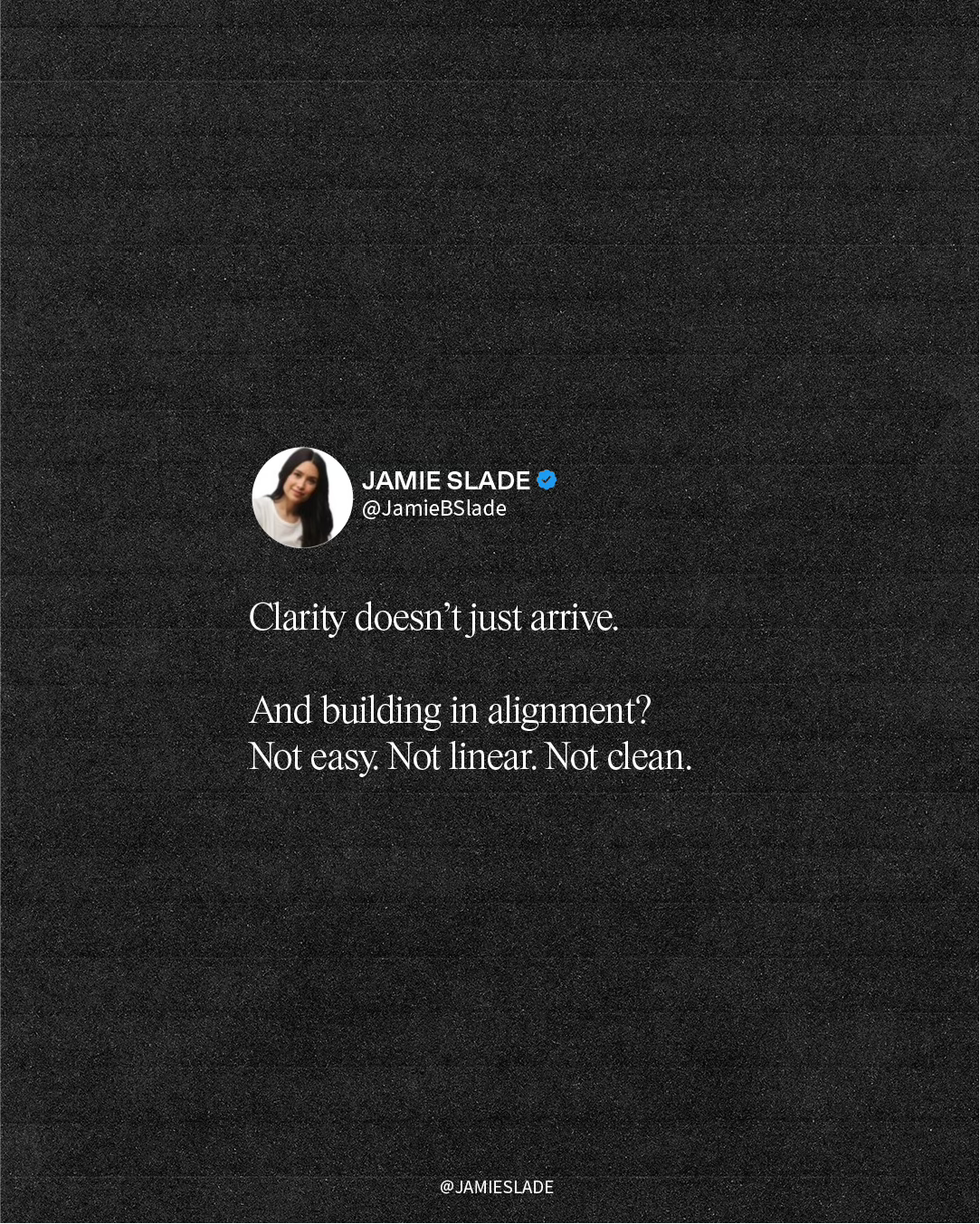
This was the hardest idea of the year, and the most honest. It also turned out to be the one many of you quietly recognized.
Before clarity comes discomfort. Before alignment comes loss of familiar structure. Untethering worth from busyness. Letting go of identities that once worked but no longer fit.
This wasn’t motivational work. It was corrective.
Alignment required unlearning, not just habits, but beliefs about productivity, value, and legitimacy. And that deprogramming phase often looked like confusion before it looked like confidence.
3. Clarity Is a Frequency, Not a Personality Trait.
So What Is 963, Even? + The Shift I Didn’t Know I Needed
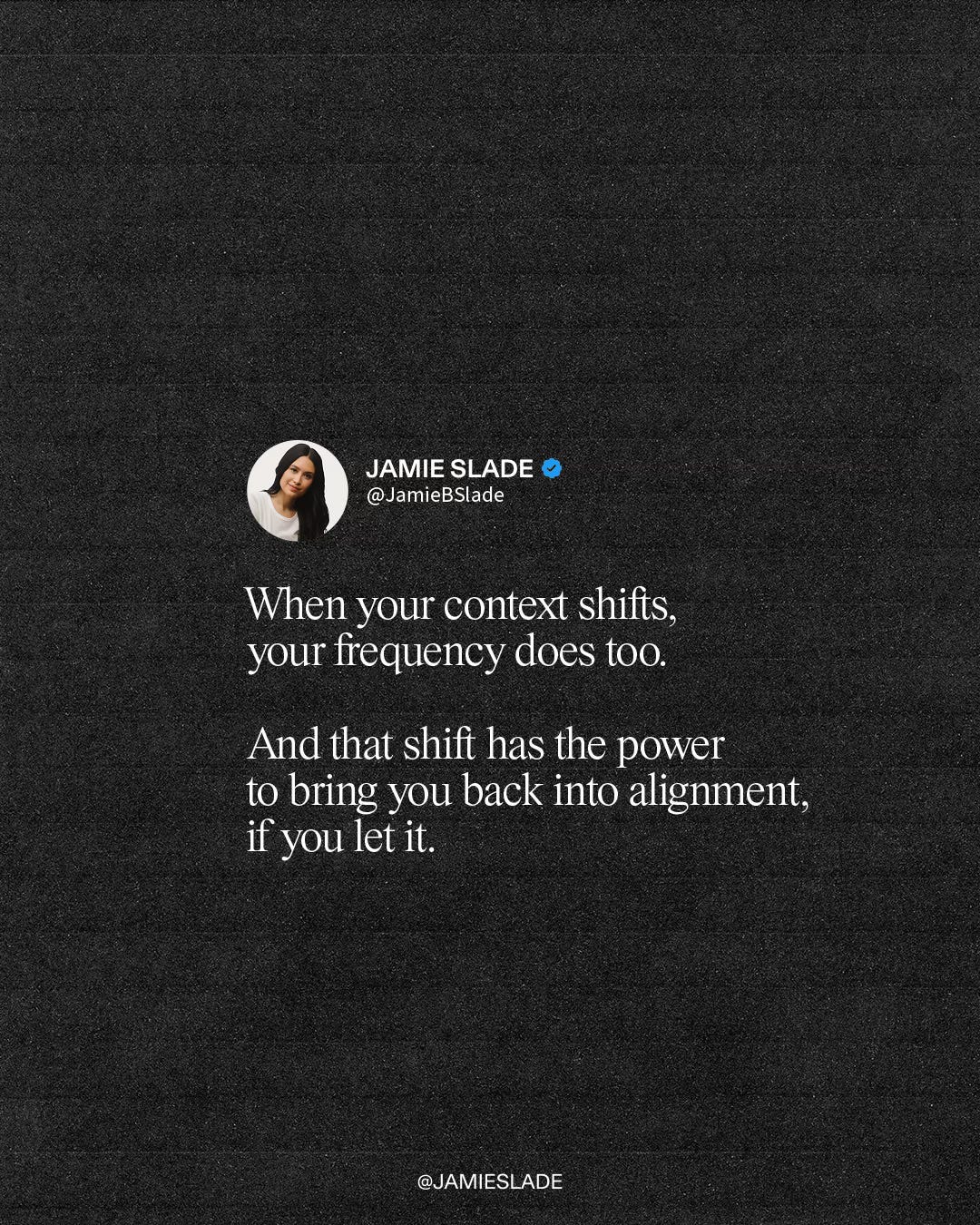
This insight showed up in two forms: theory and lived experience.
Clarity isn’t something you “have.” It’s something you enter.
And context matters more than we like to admit.
When the environment shifts, so does the frequency you operate at.
When titles fall away, identity has to stand on its own.
When routine tightens too much, it stops grounding and starts constricting.
Taken together, these moments made one thing clear: alignment isn’t a fixed state. It’s something you return to and actively protect.
4. Urgency Is External. Presence Is Internal. And Q4 Exposes the Difference.
Q4 didn’t introduce new problems. It amplified existing ones.
The insight here was practical: urgency always wins unless you decide early what doesn’t get a seat at the table.
After this Q4/holiday season, it’s clear that alignment in high-pressure seasons isn’t about doing less, it’s about deciding sooner.
Because presence doesn’t survive by accident. It has to be defended.
5. Alignment Costs More Inside Systems That Weren’t Built For You.
Motherhood & Building a Career in Alignment
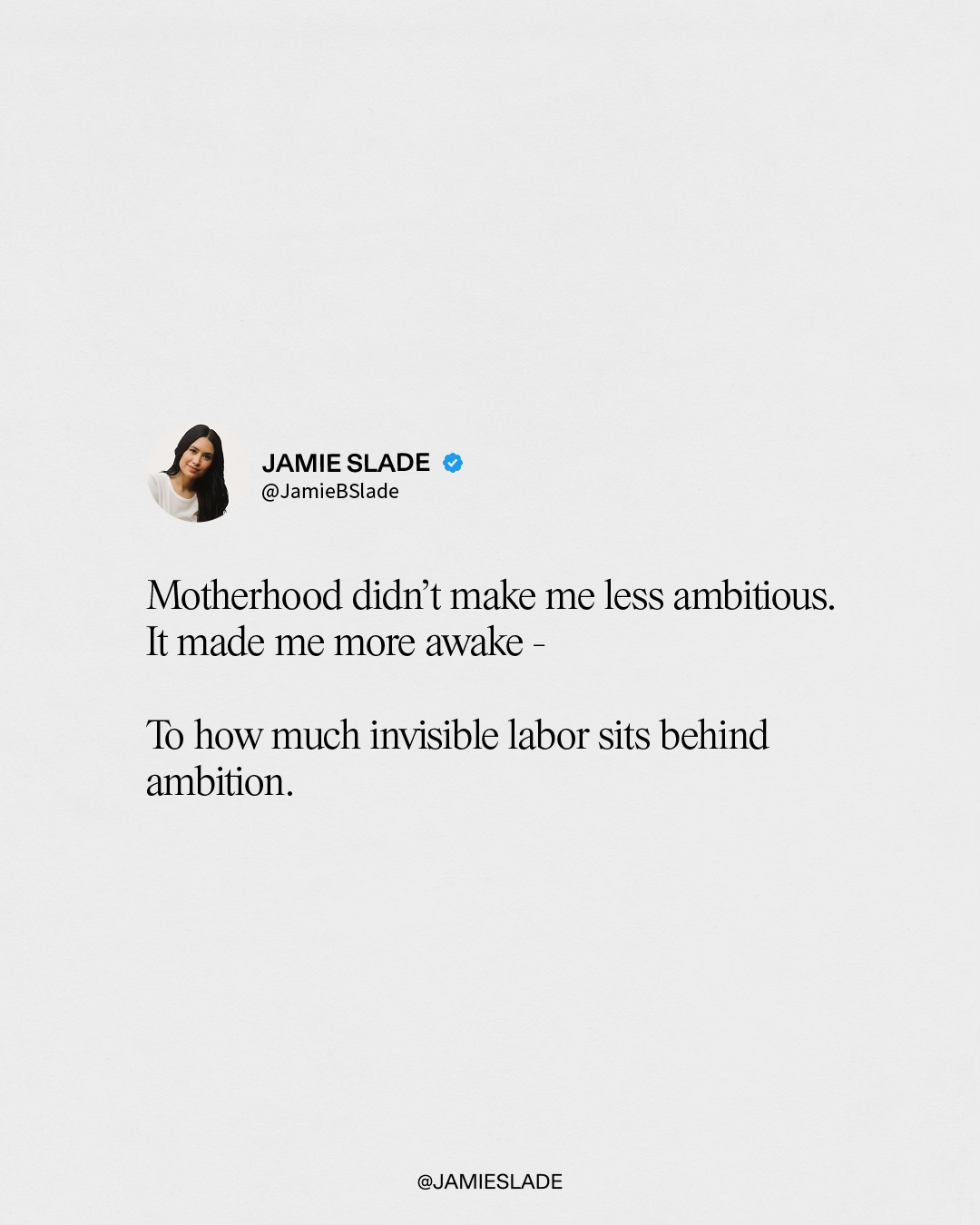
This was the point where alignment stopped being personal and became structural.
The tension wasn’t about ambition versus presence. It was about design. About trying to hold two truths (meaningful work and present motherhood) inside systems that still assume someone else is doing the caretaking.
What became clear is that sustainability isn’t always a character trait.
Oftentimes, it’s an infrastructure issue.
When alignment feels impossible, it’s often because the scaffolding isn’t there. Not because you’re doing it wrong, but because you’re compensating for a design flaw that was never meant to be carried individually.
Motherhood didn’t dilute ambition. It exposed the hidden labor behind it.
6. You Are Still a Sponge - Inputs Shape Identity.
Summer Blues + Keeping Your Frequency High When Everything Is Pulling It Down
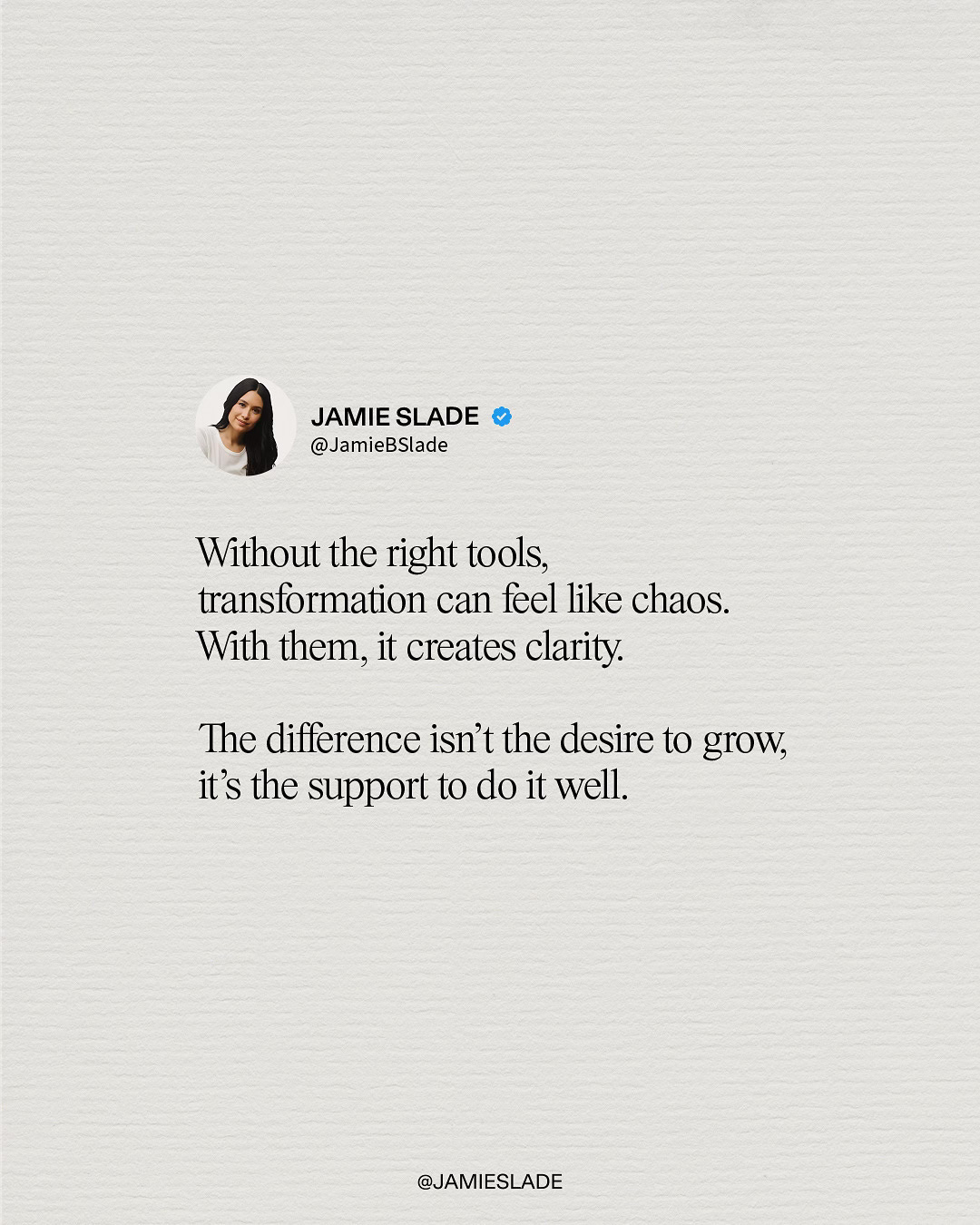
Some misalignment isn’t existential. It’s environmental.
Overstimulation, constant input, emotional noise, low-grade urgency - none of it is neutral. Over time, it dulls clarity and distorts perspective.
This year reinforced something easy to forget: adulthood doesn’t make us impermeable. It just makes us less aware of what we’re absorbing.
Alignment, in this sense, became maintenance. Not discovery.
7. What Society Calls a Crisis Is Often a Maturation Process.
Language matters more than we think.
What gets labeled a breakdown is often a transition into self-authorship. What’s dismissed as instability is frequently discernment arriving late, but honestly.
Reframing this wasn’t about minimizing difficulty. It was about refusing shame as the default narrative for evolution.
8. Passion Is Not a Strategy. Alignment Is.
Why Confucius Only Got It Half Right
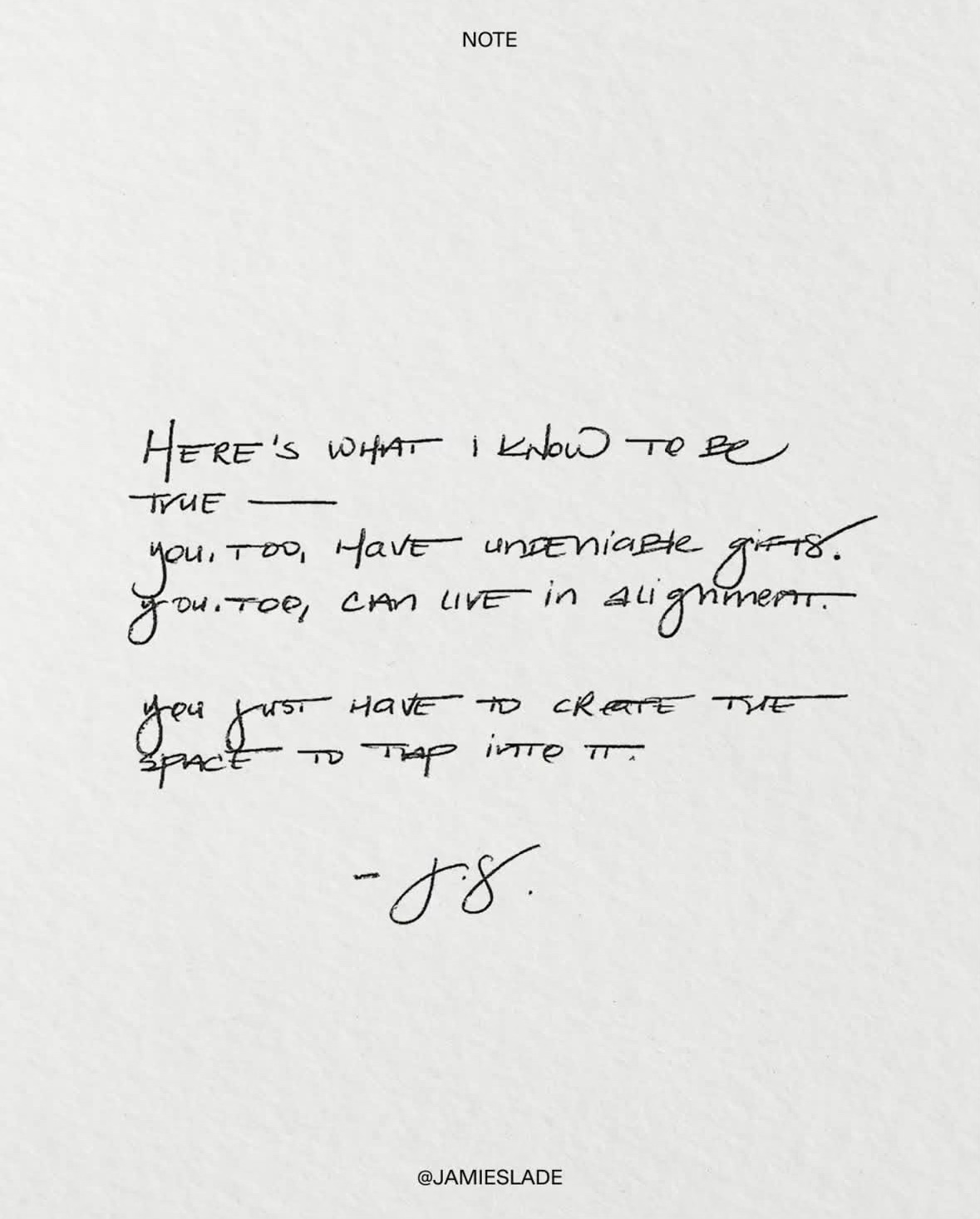
This was the philosophical closer of the year.
Passion can ignite a path. But it isn’t built to sustain one. Consistency, capacity, and alignment are.
Fulfillment doesn’t come from chasing intensity. It comes from coherence, between who you are, what you value, and how you actually live.
The Pattern Beneath It All
Looking back, the pattern is clear.
Alignment isn’t about finding the right job, season, or version of yourself.
It’s about building the capacity to hear yourself and the structures to protect that clarity - inside systems that weren’t designed to support it.
Because insight alone isn’t enough.
Clarity needs containers.
Awareness needs infrastructure.
Which brings me to what’s next…
Looking Forward
Over time, it became clear that this work needed more than a newsletter.
Writing surfaced the same limitation again and again: reflection without structure doesn’t hold. Alignment (if it’s going to last) requires support systems, not just self-awareness.
Starting next month, I’ll begin sharing more explicitly about the next phase of 963 - not just as a newsletter, but as a platform: what it’s becoming, how it’s taking shape, and who it’s designed to support.
More soon!
Jamie